Tag Archives: online privacy

A Beginner’s Guide to Using a VPN

If you spend any time watching tech YouTubers or hanging out on online communities, you’ve probably heard VPNs mentioned. They’re often recommended in video descriptions, podcasts, or Reddit threads. It’s easy to ignore at first, but after a while, it makes you wonder if you’re missing out on something that could be an internal part of your digital lifestyle.

For newcomers, it’s not always clear what a VPN actually does, whether it’s necessary, or if it truly protects your privacy.

Some people see VPNs as essential digital armor. Others assume they’re only for people trying to sidestep bans, torrenting, or travelers watching foreign Netflix libraries. The truth sits somewhere in the middle.

This guide breaks down what a VPN is, what it can (and can’t) do, and how to decide if using one makes sense for you.

What You Can Do With a VPN

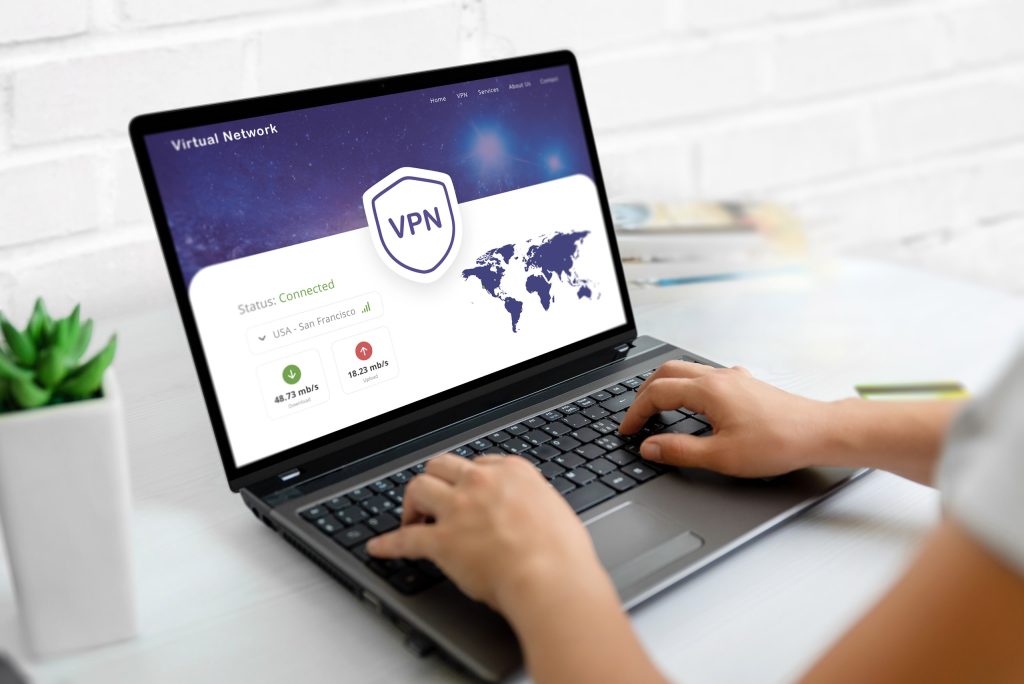
Let’s start with a simple definition. A VPN (Virtual Private Network) creates an encrypted tunnel between your device and the internet. Instead of websites seeing your real IP address and location, they see the IP address of the VPN server you’re connected to.

As you may know, your IP address is a main point of data that allows websites and online services to determine your location and to build information about your account activity. Thus, hiding your true IP gives your online privacy a big boost right out of the gate.

With a VPN, you can do quite a bit more than simply conceal your location. By routing your connection through a secure server, a VPN changes how your data moves across the internet and how websites see your device. In practical terms, this opens up several everyday benefits:

  • Add a layer of privacy when browsing the web
  • Protect your data on public Wi‑Fi networks
  • Access region‑locked websites and content
  • Reduce tracking by advertisers and ISPs
  • Mask your real location and IP address

To be clear, a VPN doesn’t give you complete anonymity. It’s more about gaining control over how your data travels.

Does Your Average Internet User Need a VPN?

Not everyone needs a VPN, but many could benefit from one without realizing it. If you’re not online much, browse trusted sites at home, and never use public Wi‑Fi, your risk exposure is relatively low.

However, a VPN becomes an essential tool if you:

  • Use public Wi‑Fi in cafés, airports, or hotels
  • Travel frequently
  • Value online privacy and have concerns about data collection
  • Stream content from multiple regions
  • Work remotely or access sensitive accounts

Think of a VPN like insurance. You might not rely on it every time you access the internet, but when you need it, you’re glad it’s there. It gives informed, tech-savvy people peace of mind.

What Are the Pros and Cons of Using a VPN?

Not only does looking at the pluses and minuses help you decide if you need a VPN, but it also clarifies when you should use one and when you should disable it.

Pros

Let’s have another quick look at why a VPN can be a game-changer. Using one comes with several clear advantages, particularly for users who value privacy, security, or flexibility in how they access the internet:

  • Encrypts your internet traffic
  • Hides your IP address from websites and ISPs
  • Improves security on unsecured networks
  • Enables access to geo‑restricted content

Cons

That said, VPNs are not without trade-offs. Understanding the downsides keeps your expectations realistic:

  • Typically, has slightly slower internet speeds (depending on the server)
  • Subscription costs for reputable services
  • Your VPN isn’t guaranteed to work for some applications, such as unlocking geo‑restricted content
  • Doesn’t make you fully anonymous

To sum it up, a VPN is a powerful tool, but it’s not a magic privacy switch.
Are VPN Services Worth It?

For most, paid VPN services are justifiable.

Anyone who compares a free VPN with a paid one immediately sees why. Free options often come with limits, ads, weaker encryption, or questionable data practices. A free service might get you by if you use it for the occasional inconsequential task, but for anything beyond that, you want a real VPN.

If you value privacy, convenience, and consistent performance, look at getting a VPN subscription as a long‑term investment.

How to Choose a VPN

Selecting a VPN can feel overwhelming at first. There’s no shortage of choices, and if you ask for recommendations online, it seems like everyone swears by a different service.

Instead of focusing on opinions or experience you see on apps such as Reddit, it’s best to evaluate providers based on fundamentals that directly impact privacy, performance, and reliability. Key factors to look for include:

  • A clear no‑logs policy
  • Strong encryption standards
  • A large server network across multiple countries
  • Good performance and reliability
  • Apps for your preferred devices

Independent audits, long‑standing reputations, and clear privacy policies matter more than bold claims. If you take the time to learn about the technologies under the hood, you’ll be rewarded when you make an informed decision.

Check out the top 3 VPNs recommended by LetMeBy here.
Using a VPN on Different Devices

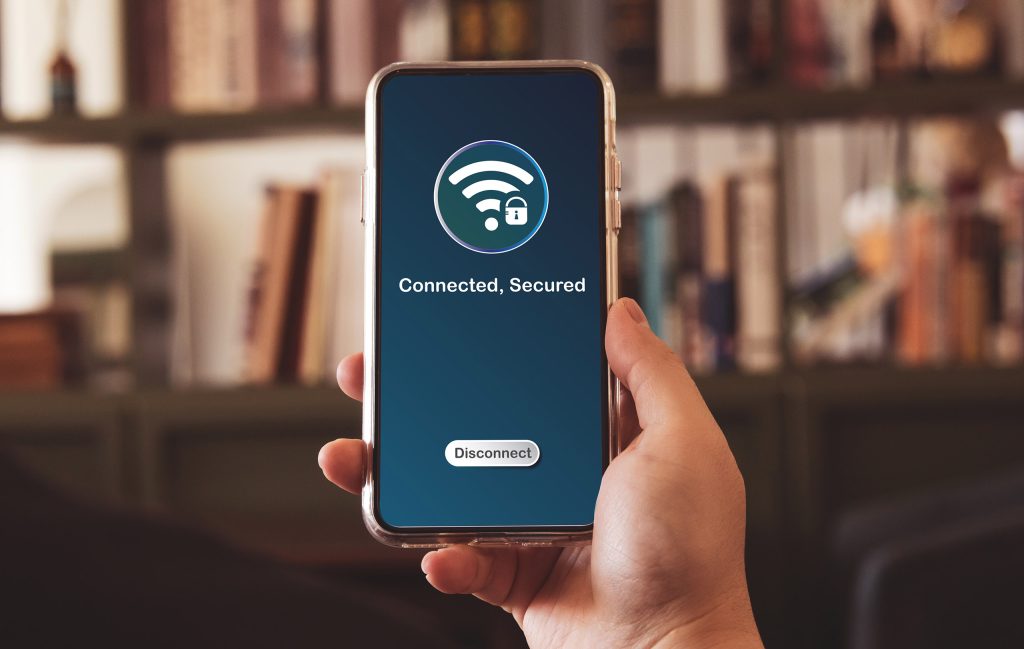
VPNs have come a long way over the years. Since using multiple devices became a part of most people’s daily routine, they’ve leveled up on flexibility. Most providers offer dedicated apps and setup guides that make it easy to protect multiple devices without advanced technical knowledge. Modern VPNs support platforms such as:

  • Windows and macOS computers
  • iOS and Android smartphones
  • Tablets and Chromebooks
  • Routers, smart TVs, and streaming devices

Many subscriptions allow several devices at once, making it easy to protect your phone, laptop, and home network under one account.

Unlock Geo‑Restricted Streaming

For many, especially those who live outside the US, it’s natural to want to explore if the grass is greener on the other side when it comes to access to TV shows and movies. Thus, one of the most popular and widely discussed uses for VPNs is streaming.

Because streaming platforms license content by region, what you can watch can depend on where you’re located. To bypass this limitation, a VPN makes it appear as though you’re browsing from another country.

While results vary by service and platform, this feature is especially appealing to frequent travelers or expats who want to regain access to some of their favorite content.

Stop Bandwidth Throttling

Bandwidth throttling is a lesser-known but frustrating issue. Some internet service providers intentionally slow down certain types of traffic, such as streaming video or large downloads, especially during peak hours. Since a VPN encrypts your traffic, your ISP can’t easily detect your activity, which may help reduce throttling in some cases.

This isn’t a sure thing, but many users notice more consistent speeds when using a VPN.

Advanced VPN Features You Should Know About

Since you’ve made it this far, let’s go beyond the basics.

Outside of basic encryption and IP masking, many modern VPN services include additional tools designed to improve security, usability, and give you peace of mind. These features usually aren’t highlighted when you’re researching VPNs, but they add meaningful value over time:

  • Kill switches that cut internet access if the VPN drops
  • Split tunneling to choose which apps use the VPN
  • Multi‑hop connections for added privacy
  • Built‑in ad, tracker, or malware blocking

These features aren’t essential for beginners, but they’re worth exploring as you get more accustomed to using your VPN.

Conclusion

It’s always important to clearly divide a need and a want. You took that step by doing your research about VPNs and making it to the end of this article.

A VPN isn’t mandatory, but it’s increasingly relevant in a world where data collection, tracking, and online restrictions are the norm. Whether you’re protecting yourself on public Wi‑Fi, streaming content abroad, or simply wanting more control over your online footprint, a VPN is a practical tool.

The key is understanding what a VPN does and what it doesn’t. Used wisely, it enhances your digital life rather than overcomplicating it.


The Best Social Media Apps for Privacy

In an age where nearly every click, like, and message is tracked, the call for private and secure social media platforms is louder than ever. With major platforms frequently making headlines for data breaches, invasive ad tracking, or mishandled user data, more users are seeking alternatives that prioritize privacy.

You probably don’t want to give up your Instagram, TikTok, or X (formerly Twitter) accounts because other apps have better approaches to privacy. However, you may want to branch out and put more time into platforms that aren’t primarily in the business of collecting data and using it to entice people to buy stuff.

This article explores the best social media apps that offer strong privacy features and the pros and cons of using them. Plus, you’ll learn how you can take control of your data online.

The Rise of Privacy-Focused Platforms

Privacy-first social media platforms have emerged in response to growing concerns about surveillance capitalism and the commodification of personal information. These apps typically avoid collecting user data, offer end-to-end encryption, and avoid algorithm-driven engagement models.

Advantages:

  • Minimal Data Collection: Many of these apps collect little to no personal information.
  • End-to-End Encryption: Ensures that only the intended recipients can view messages or posts.
  • No Ads or Tracking: Users aren’t tracked for advertising purposes.
  • Open-Source Codebases: Some platforms allow public auditing for transparency.

Disadvantages:

  • Smaller User Base: Fewer people use these platforms, limiting how many people you can connect with and reach.
  • Limited Features: They may lack advanced functionality common on major networks.
  • Monetization Challenges: Without ad revenue, some platforms rely on donations or subscriptions. Creators looking for apps with revenue sharing will need to stick with the biggest players, such as YouTube and Instagram.

The Best Apps for Online Privacy

1. Reddit

Why it’s a top choice: Reddit is a well-established and trusted haven for people interested in sharing their unfiltered opinions. It’s geared towards anonymous discussions, as users only have a username associated with their account and no profile picture.

Privacy features: Browse anonymously, control location customization, manage email preferences, and filter content based on age or content type.

Best for: Discussions about special interests and niche interests (such as specific video games) with people with a wide breadth of knowledge and experience.

2. Snapchat

Why it’s a top choice: The entire concept of Snapchat is based around privacy: content that’s viewable for 24 hours. The app’s disappearing messages and screenshot notifications make it less likely that data is collected or misused by others.

Privacy features: Control who can contact you, view your story, see your location, and use your Cameos selfie. Use “Ghost Mode” to hide your location on the Snap Map.

Best for: People who have posted stories and multimedia content on Instagram and are seeking an alternative that has a healthy user base.

3. Signal

Why it’s a top choice: Originally known for secure messaging, Signal has expanded into sharing media and group communication. It’s all protected with end-to-end encryption.

Privacy features: No metadata collection, disappearing messages, open-source protocol.

Best for: Secure communication, activism, and private group chats.

4. Mastodon

Why it’s a top choice: A decentralized social network where users join independently run servers.

Privacy features: No central authority, customizable privacy settings, moderation at the community level.

Best for: Users who want a Twitter-like experience without centralized tracking.

5. MeWe

Why it’s a top choice: Marketed as the “anti-Facebook,” MeWe doesn’t track users or serve ads.

Privacy features: No data mining, end-to-end encrypted chats, no algorithmic feeds.

Best for: Facebook-style networking without the privacy concerns.

6. Minds

Why it’s a top choice: An open-source platform offering blockchain-based incentives and user control.

Privacy features: Encrypted messaging, content monetization without surveillance, transparency.

Best for: Creators, thinkers, and privacy-conscious users who want to earn rewards.

7. Element (Matrix)

Why it’s a top choice: A secure collaboration app built on the Matrix protocol. It gives users maximum ownership and control as it can be self-hosted.

Privacy features: End-to-end encrypted messaging and video, open-source, decentralized hosting.

Best for: Teams or individuals who want a Slack-like experience with more emphasis on security.

Why Online Privacy Matters on Social Media

Social media platforms gather vast amounts of personal data.

Everything from your location, behavior, and relationships is stored. Typically, the data is used for targeted advertising or shared with third parties. This comes at the cost of user autonomy and can have serious implications in terms of surveillance, identity theft, or manipulation.

Key reasons privacy matters:

  • Protecting personal identity and information
  • Preventing data misuse or breaches
  • Maintaining freedom of expression
  • Avoiding manipulation via targeted content

How to Improve Your Online Privacy

Many people use social media to reach as wide an audience as possible. And at the end of the day, it’s about staying connected with friends, family, and coworkers.

Thus, it’s understandable that many people want to stick with the apps with the most users and are considering widening their horizons with privacy-focused platforms.

If you continue using mainstream platforms, here are steps to safeguard your privacy:

  • Review privacy settings: Customize who can see your posts and profile information.
  • Limit third-party app access: Disconnect unused apps linked to your social accounts.
  • Use strong, unique passwords: Be sure to enable two-factor authentication as well.
  • Be mindful of what you share: Especially personal identifiers like location or workplace.
  • Use a VPN: To mask your IP and browsing activity from trackers. View the top VPNs recommended by LetMeBy here.

Choosing a New Social Media App

It’s easy to get caught up in the details when considering which privacy-focused social media platform is best tailored to your purposes.

Start by comparing the fundamentals of online privacy, which apply to all apps.

When exploring alternatives, ask yourself:

  • Does the app collect or sell user data?
  • Is encryption used, and if so, is it end-to-end?
  • Is the app open source or independently audited?
  • Who owns and operates the platform?

When to Consider Switching Apps

Many grew up with apps such as Facebook, but sometimes you need to get rid of the old to make room for the new. Switching apps rather than simply adding newer apps grants you the next level of focus and efficiency.

Privacy is just a part of what makes a social media app better than the rest. That being said, you might consider switching when:

  • A current platform experiences a major data breach.
  • You notice increased tracking or unwanted targeted ads.
  • You want more control over your content and interactions.
  • You’re uncomfortable with how your data is being used or shared.

Conclusion

The mainstream apps many of us use every day have many strengths, but giving you the ability to maintain strong online privacy isn’t one of them.

The good news is that the amount of choice out there in terms of privacy-focused platforms is nothing short of incredible. The bad news is that any social media app is only as good as its user base, and the apps with the best privacy are growing but still far behind behemoths like Facebook, Instagram, and YouTube.

VPNs Have Exploded in Popularity in Canada, Here’s Why

A recent VPN usage survey commissioned by NordVPN found that over one-quarter of Canadians use VPNs.

As a country, Canada landed in the top five in terms of VPN awareness too. Nearly seven Canadians in ten have heard of VPNs. Other countries with above-average awareness include the U.S., United Kingdom, Hong Kong, Poland, Singapore, Taiwan, Spain, and Brazil.

Demographics of VPN Users

If you’re wondering what the typical VPN user looks like, I’ve got you covered. They’re more likely to be male and the largest age group is between 25 and 44 years old. This group leads the way in most other countries as well.

There are two big factors intersecting here: being old enough to have a budget for the extras in life and young enough to recognize the need for better online privacy. Millennials, Gen Xers, and Xennials are right in the sweet spot.

So, getting to the main topic, why are Canadians adopting VPNs faster than countries such as France, Italy, Japan, and South Korea?

What Canadians Say About Their VPN Usage

HelloSafe surveyed Canadians across the country about their VPN usage and there are some notable differences in their results compared to NordVPN’s findings.

First things first, here are the reasons Canadians said they use a VPN:

  • To secure a Wi-Fi connection – 68%
  • To enjoy content from other countries – 36.8%
  • To hide an IP address – 31.5%
  • To avoid censorship – 26.3%

Interestingly, they found that only one in ten Canadians use a VPN at least once a week. That’s a big difference from what the study for NordVPN found. However, how HelloSafe phrased the question pushed the figure down. How many people are aware enough of their VPN usage to give an accurate response?

Although general adoption is undoubtedly higher, HelloSafe’s study could indicate that Canadians are using VPNs with a purpose in mind. While there are plenty of reasons to have your VPN enabled all the time, it’s common for people to use their VPN only when they want to achieve a specific outcome.

Reasons Canadians Should Use a VPN

Now that we’ve looked at the responses Canadians gave about their VPN usage, let’s look at the benefits in detail.

1. Safeguard Your Data

Companies and Institutions want your data to make informed decisions. Data about customers and potential customers is a valuable resource to them.

When you use online services, data about your usage and behaviours become part of a massive data set. It often happens without the user’s knowledge and their ongoing consent. Rather, the details about data collection are buried somewhere in the companies’ terms of service or privacy policy.

Additionally, malicious users and cybercriminals are always looking for ways to gain personal information to aid in their agenda.

VPNs give you a powerful way to opt out of excessive data collection which is now the norm. It protects your identity online by hiding your IP address. This makes it difficult or impossible for others to pinpoint your device and your location.

2. Get Access to Geo-Restricted Content

It’s normal for Canadians to feel left out when their favourite TV shows and movies aren’t available on streaming apps. Harry Potter, Good Fellas, and Seven are just a few examples of classic movies that aren’t available on Netflix Canada.

Canadian subscribers typically get access to less content overall than Americans on streaming sites such as Netflix, Hulu, and Amazon Prime Video. It works the opposite way too as shows like The Office and Fargo are available for streaming in Canada but not in the U.S.

Websites and apps sometimes use geo-targeting to determine which content or content libraries to display to the user. It’s annoying when music in social media posts, videos on websites, news, etc. are blocked in specific countries.

VPNs replace your IP address with a different IP located in the country of your choice. This allows you to view content intended for people in any country in the world.

3. Make Public Wi-Fi Safe

Public Wi-Fi is notorious for its slow speeds and spotty stability, but it’s security that people should be most concerned about. A survey by All About Cookies found that one in four experienced a security issue from accessing the internet through unsecured networks.

It’s best to assume the Wi-Fi you use in restaurants, hotels, or at the airport isn’t secure. That means your private data, including login credentials associated with sites you visit, is being transmitted with no encryption and could be intercepted.

Any time you use a VPN, the data being transferred from the network to your device and back is protected with the highest level of encryption.

4. Protect Your Identity When Playing Online Games

Online gaming is huge, and while it’s incredibly fun to explore digital worlds, being connected with so many other players has its risks.

Gamers have to watch out for malware, account takeover, phishing attacks through messaging, data breaches, and many other threats.

Gaming platforms like Steam and PSN collect plenty of data about their customers. While you can drill down into the privacy settings and make changes, there are certain types of data collection you might not be able to opt out of.

VPNs make it impractical or impossible for malicious gamers, gaming platforms, and third parties to see the IP address of your PC or pinpoint your location.

Looking for the Best VPNs?

It’s getting more common to see VPNs packaged with other software and services such as comprehensive online security suites. However, there’s power in choosing the best VPN for you rather than settling for solutions that try to do everything.

If you’ve never used a VPN before or are looking for a new one, have a look at LetMeBy’s top 3 VPNs.

Conclusion

There’s been a big boost in awareness and usage of VPNs. At this point, most people have heard of VPNs and they have a rough idea of what they do. Canadians are pushing forward and taking control of their destiny online.

Still, we’re in the early days in terms of leveraging privacy enhancement tools like VPNs. Canadians are using VPNs to achieve their goals but if the data from HelloSafe is accurate, most haven’t jumped in with both feet yet.

VPNs Protect You but Aren’t a Substitute for Antivirus

VPNs get a lot of praise for their ability to boost one’s privacy online. Many wrongfully assume that because VPNs hide their IP address and offer a high level of encryption, they’re protected without antivirus software.

In actuality, VPNs and antivirus software serve completely different purposes.

Although using a VPN makes it nearly impossible to determine your identity through certain means, it won’t stop other methods to get hold of your private data such as phishing.

It’s estimated that one-fourth of PCs have no virus protection. That’s a camp you don’t want to be in. Unprotected machines are 5.5 times as likely to get infected.

Cybercriminals have gotten craftier and bolder than ever. On top of that, bad actors are taking more action than ever. Cyberattacks increased 125% in 2021 compared to the previous year. And there are no signs of it slowing down.

The bad guys have adapted and so will internet users. Those who use both antivirus and VPN are being proactive and are best prepared for threats now and in the future.

How Antivirus Software Protects You Online

One of the key components of antivirus software is its database. Online threats are always evolving so antivirus software downloads the latest threat database automatically before scanning your computer.

Security software either detects threats in real-time as soon as they appear or during a scheduled or manual scan of your hard drive. If malicious code is detected it’s either quarantined or deleted.

Malware is a generic term that includes many types of harmful software such as viruses, trojans, worms, and spyware. The next category everyone needs to be aware of is phishing. This is when bad actors pretend to be legitimate companies and services to extract personal data such as login details and credit card numbers.

Security software such as Norton 360 and Kaspersky Internet Security have a comprehensive approach so you’re defended from information security threats, network attacks, phishing attacks, and spam.

How VPNs Protect You Online

Data is incredibly valuable to businesses and institutions. There’s a whole industry dedicated to it, often referred to as big data. In 2022, the big data analytics market size was estimated to be worth USD 272 billion.

Private data is also valuable to shady third parties and cybercriminals which is the most immediate threat to the average internet user.

Thus, with each passing year, it’s more and more important to be mindful of how you protect your privacy online. There are plenty of improvements you can make by drilling down into the privacy settings of the online services you use. However, companies will never give you full control of your privacy. By using a VPN, you easily and effectively level up your privacy across all the apps and platforms of your choice.

VPN is short for Virtual Private Network. Essentially, you can think of a VPN as a tunnel that encrypts all data that moves between your internet connection and your device.

It replaces your true IP address with an IP associated with the location you select. This makes it nearly impossible for people and organizations to determine who you are and where you’re located by viewing your IP address.

To learn about the top 3 VPN services recommended on LetMeBy, visit this page.

Using Both Antivirus Software and a VPN is the Best Defence

Antivirus software and VPN apps complement each other perfectly. One if your best defense against malware and the other is your best defense against companies, third parties, and organizations compiling data about you based on your actions online.

VPNs have security benefits as well as it encrypts data during transit. This protects you from attackers that aim to intercept data going to your device or network. Once the data has reached your device, it’s up to antivirus software to deal with threats.

Antivirus software is essential. This is why Windows Defender is pre-installed on any current Windows machine. VPNs have seen an incredible boost in adoption in the past several years, but not every internet user needs a VPN. Everyone can benefit from using a VPN, but you need to value your online privacy to want it.

Wide-ranging security software is becoming more common. These solutions include both antivirus and VPN software.

Is Windows Defender Enough?

You might be old, but are you old enough to remember downloading McAfee on your new PC after installing Windows XP?

Windows has come a long way since then in terms of security features. Before the release of Vista, Windows users had to get third-party antivirus to protect their computers. Today, Windows Defender is preinstalled and Windows automatically downloads and applies the latest security updates.

Windows machines don’t really need third-party antivirus software since Windows Defender is perfectly capable.

The main reason to get third-party antivirus software is you find its features compelling. For example, gamers appreciate “gaming mode” which is found in software such as Kaspersky Internet Security. By enabling it, functions such as system scans and notifications won’t interrupt your gaming experience while the antivirus works in the background.

Full security suites provide the most added value. These software packages protect you from spam, unsafe websites, shady applications, webcam breaches, and more.

Conclusion

It’s easy for Windows users. Simply add a VPN to complement the antivirus software already preinstalled: Windows Defender. This gives you protection where it matters most. Still, when something is easy, we sometimes lose sight of what’s working for us in the background. Antivirus software is essential and VPNs are in no way a replacement for it.

Online privacy and protecting yourself from malware are related and more than ever there’s overlap between the two. However, for the best solution is to use both a VPN and antivirus.

Why New Cars are a Privacy Nightmare

What do you think about when you picture a young couple in a convertible with big smiles, sunglasses, and the wind blowing through their hair?

Many associate cars with freedom. Cars represent the freedom to go wherever you want, and experience all life has to offer.

The world has changed dramatically since that idea was established. Today’s cars are more like computers on wheels.

Savvy folks are aware of the privacy pitfalls of smartphones, social media, and online games. Far fewer think about the fact that their new car collects data about them, sells that data, and offers limited to no way to opt out of it.

Now for the cringey part: Some car manufacturers are even interested in the sex life of their customers.

How can it be this bad? Here’s a theory:

The Haze of Innovation

People are enthralled with their smart cars.

Companies like Tesla are innovating in a big way in the space, and the uptick in advancement in the industry is a relatively new phenomenon. Thus, certain realities like the lack of online privacy in new cars haven’t quite hit the average customer’s radar.

Smartphones and social media have been around long enough for the blind enthusiasm to dim. Tech companies recognize that giving people greater control of their online privacy is responsible and ultimately good for business.

Car manufacturers can get away with not-so-hot online privacy policies because it’s still the early days. However, history has taught us that eventually, consumers will demand better privacy, and in time, car manufacturers will be forced to rethink their approach.

Rapid Advancement in Auto Tech

Your first car was likely a way to get from point A to point B. My, how times have changed.

From the rise of electric vehicles to the promise of fully autonomous cars, advancement in the auto industry is incredible right now.

Electric car sales are reaching new heights. In the second quarter of 2023, nearly 300,000 EVs (fully electric vehicles) were sold in the U.S. alone.

The computers in Telsa’s vehicles are so powerful that they can run video games. And we’re not talking mobile games with low requirements. Telsa’s CEO Elon Musk demonstrated the capabilities of its Model S Plaid by playing Cyberpunk 2077 [Amazon]. He stated their computer hardware offered “PS5-level performance.”

Unfortunately, growing pains come along with the innovation.

Computer hardware and software this advanced are new things in cars. It’s going to take time to perfect the fine points. To your typical customer, online privacy doesn’t have that wow factor that software features do. And it’s the wow factor that sells cars. Thus, privacy is not a top priority for auto manufacturers yet.

Mozilla’s Study Roasts the Auto Industry for Its Approach to Privacy

A recent study on the state of privacy of car brands pulled no punches. Mozilla went as far as to say new cars are a “privacy nightmare on wheels.”

Every brand, from Ford and Volkswagen to Toyota, failed their privacy test.

Researchers found that sensors, microphones, cameras, connected devices, and phones are being deployed to gather some pretty questionable data about customers.

They put it like this: “(It) can collect deeply personal data such as sexual activity, immigration status, race, facial expressions, weight, health and genetic information, and where you drive.”

Wondering how that information can possibly relate to driving, navigating, and the services you use on the road?

Well, it doesn’t. And that leads us to the next topic: What they actually do with the data.

76% of Car Companies Sell Your Data

Corporations are always looking for new revenue centers that offset the challenges they face. And gathering data about consumers is big business.

Data is a $300 billion-a-year industry. And it employs 3 million people in the U.S.

While some of the data is used for the auto manufacturer’s own research, marketing, or business purposes, Mozilla found that 84% of them sell it or share it. It then gets into the hands of service providers, data brokers, and other businesses.

By digging deep into their terms of service, they also found that 56% can share your information with the government or law enforcement.

Car Brands Are Largely the Same with It Comes to Privacy

Mozilla created a chart that compares car brands for privacy. Companies with a failing grade were given an ‘X’ for the following categories: data use, data control, track record, security, and AI.

Brands largely weren’t that different in their approach to privacy across the board.

The major brands you’ve heard of mostly received four dings out of five. Subaru, BMW, Fiat, Jeep, Chrysler, and Dodge faired a bit better with three dings. And Tesla was the only one to get an ‘X’ in every single category.

California Probes Internet-Connected Cars

The Wild West in data practices for new cars is not going to last.

California recently revealed that privacy regulators would probe the data practices of newer cars that are connected to the internet.

The California Privacy Protection Agency was established in 2020 by a ballot initiative that beefed up the California Consumer Privacy Act of 2018.

It’s a start, and this may set a precedent for other states to follow.

Conclusion

The current CEO of Ford Motor Company revealed the following: “We know everyone who breaks the law, we know when you’re doing it. We have GPS in your car, so we know what you’re doing.”

The vast majority of people are law-abiding citizens. Do auto manufacturers really need to have this level of power to probe their customers at will?

Considering the less-than-stellar grades by Mozilla’s report, the auto industry has a thing or two to learn about using technology responsibly. Just because you can do it, doesn’t mean you should.

Once customers become more aware of data privacy in connected cars, manufacturers will be able to out-compete each other by employing better practices. Let’s hope that’s the next step in this technological revolution, rather than the big players moving in lockstep.